Complete Food Traceability Software: Improving Visibility Across Food Manufacturing Operations
Food traceability has become a critical part of modern food and beverage manufacturing. While many companies initially focus on traceability to satisfy regulatory requirements and prepare for recalls, the benefits extend far beyond compliance. A complete traceability system helps manufacturers gain visibility into inventory, production, quality assurance, and warehouse operations, creating opportunities to improve efficiency, reduce waste, and strengthen food safety programs.
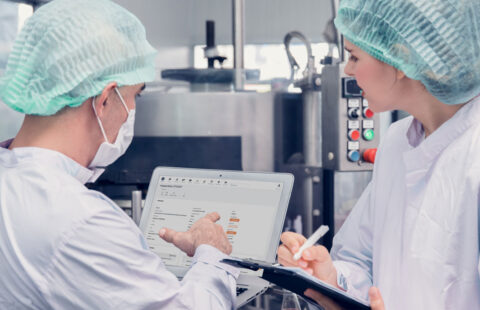
In our Traceability Demo Webinar, Steven Burton, Founder and CEO of Icicle Technologies, demonstrated how food manufacturers can use integrated food traceability software to connect every stage of production, from receiving raw materials to shipping finished products. The session explored the unique challenges of traceability in food manufacturing and showed how automation can help businesses create a complete, end-to-end traceability chain.
What Is Complete Traceability?
Complete traceability is the ability to track ingredients, packaging materials, work-in-progress inventory, rework, allergens, and finished products throughout the entire production process. Every receiving transaction, inventory movement, production activity, and shipment creates a connected record that teams can trace forward or backward when needed.
During the webinar, Burton explained that traceability starts long before a finished product leaves the facility.
“The traceability chain starts at receiving, and then you go through a variety of transformation actions that you take. You can do production, work orders, simple transforms, decomposition of products, and ultimately you ship it out.”
For food manufacturers, maintaining these connections is essential. Information collected when ingredients arrive at the facility should remain connected throughout production, storage, and distribution, allowing teams to quickly identify where materials came from, how they were used, and where products were shipped.
Why Traceability Is Different in Food Manufacturing
Food manufacturing presents challenges that many generic inventory or warehouse management systems were never designed to handle. Ingredients are frequently transformed, combined, separated, repackaged, or reused throughout production, creating complex relationships between materials and finished products.
One example Burton shared involved dairy processing.
“You might get cow’s milk, and then you want to separate the milk into cream and skim milk. Then you might want to recombine it later into 2% or 1% milk.”
The same complexity applies to allergen management, rework, work-in-progress inventory, byproducts, and multi-stage production processes. Materials often move through multiple production runs, storage locations, or facilities before becoming finished goods. Without a connected system, maintaining accurate records can quickly become difficult.
This complexity is one reason many food manufacturers are replacing spreadsheets and disconnected software with purpose-built food manufacturing ERP and traceability systems.
Using Automation to Improve Accuracy
A recurring theme throughout the webinar was the importance of reducing manual data entry wherever possible. Paper records and manual processes increase the risk of errors, especially in fast-moving production environments where employees are responsible for recording large amounts of information throughout the day.
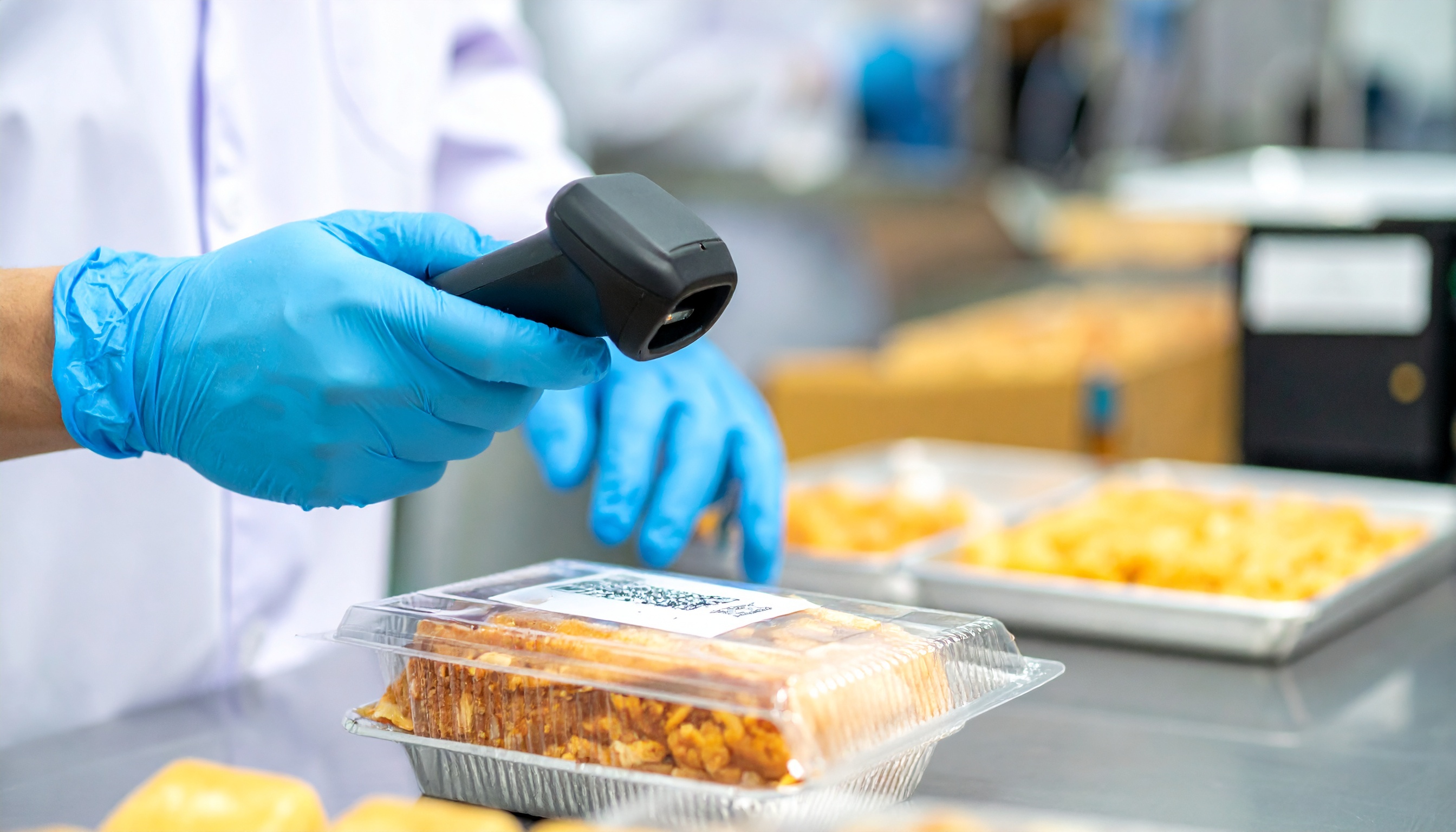
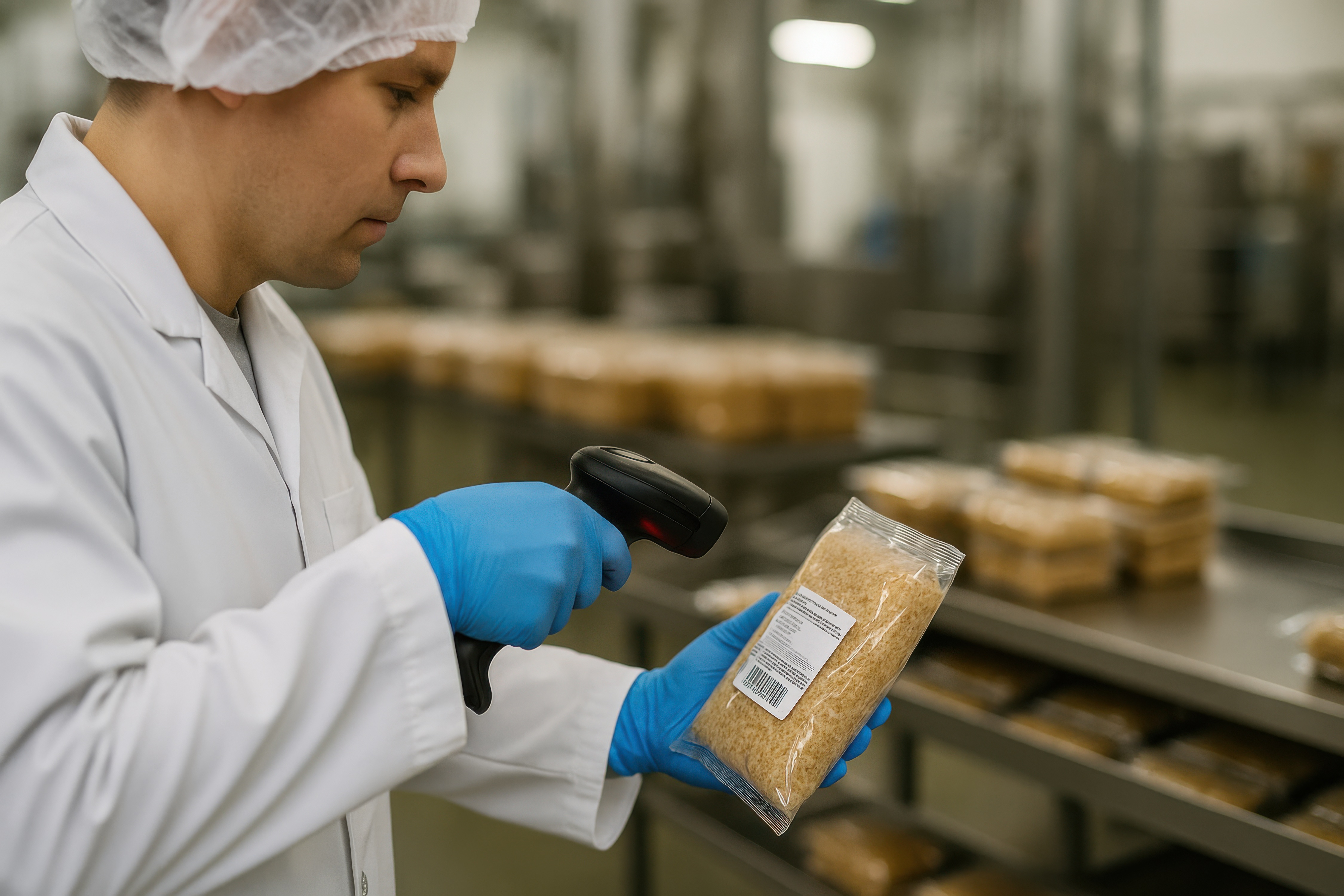
Modern food traceability software helps address these challenges through barcode scanning, automatic lot code generation, electronic inventory transactions, and mobile data collection. These tools improve consistency while reducing administrative workload.
As Burton explained:
“Our paradigm is: support manual entry when needed, but eliminate it wherever possible.”
The result is more accurate traceability data, faster workflows, and fewer opportunities for human error to break the traceability chain.
Mock Recalls and Recall Readiness
One of the most valuable outcomes of complete traceability is improved recall readiness. Food manufacturers are increasingly expected to demonstrate their ability to perform mock recalls quickly and accurately, whether for customers, auditors, certification bodies, or regulators.
The challenge is that recalls often involve more than ingredients alone. Teams may also need to investigate packaging materials, processing aids, and sanitation chemicals.
“Auditors will sometimes ask for mock recalls not just on ingredients but on a lot of sanitizer,” Burton explained. “You need to know which products were exposed to that lot, and that means tracking everything, not just the obvious stuff.”
By maintaining a connected traceability chain across receiving, inventory, production, quality assurance, and shipping, manufacturers can perform trace-forward and trace-back investigations much more efficiently. Instead of spending hours searching through records, teams can quickly identify affected products, customers, and inventory.
The Operational Benefits of Complete Visibility
While many manufacturers view traceability as a compliance requirement, one of the strongest messages from the webinar focused on the value of operational visibility.
When inventory, production, warehouse management, procurement, and quality data are connected, manufacturers gain access to information that can reveal inefficiencies and uncover opportunities for improvement. Better visibility supports more informed decisions around purchasing, inventory management, production planning, and waste reduction.
Burton shared an example of a customer that discovered a significant source of packaging waste after implementing better operational visibility.
“One customer saved $1.4 million annually after Icicle helped them identify packaging waste. That’s the power of visibility.”
Examples like this demonstrate that traceability is not simply a compliance requirement. The same data that supports recalls and audits can also help manufacturers improve profitability, reduce waste, and optimize operations.
Looking Ahead

Traceability requirements continue to evolve as regulators, retailers, and consumers place greater emphasis on transparency throughout the food supply chain. At the same time, food manufacturers face increasing pressure to improve efficiency while maintaining high food safety standards.
As Burton noted during the webinar, “Traceability is no longer optional.”
Modern food traceability software has evolved beyond record-keeping and compliance management. By connecting receiving, production, warehouse management, quality assurance, and shipping into a single system, manufacturers gain the visibility needed to strengthen food safety, improve operational performance, and make better business decisions.
Watch the Complete Traceability Webinar
This article highlights key takeaways from our food traceability webinar and covers only a portion of the topics discussed during the live demonstration. The full webinar includes a detailed walkthrough of lot code tracking, warehouse traceability, inventory management, barcode scanning, recall readiness, allergen tracking, supplier traceability, and real-world examples of how food manufacturers are using technology to improve visibility across their operations.
If you’re evaluating food traceability software, preparing for evolving regulatory requirements, or looking for ways to improve inventory accuracy and operational efficiency, the webinar provides a practical look at what complete traceability can achieve in a modern food manufacturing environment.
Request access to the webinar replay here.
Frequently Asked Questions About Food Traceability
What is food traceability software?
Food traceability software helps manufacturers track ingredients, packaging materials, inventory, production activities, and finished products throughout the supply chain. The software creates a complete record that shows where materials came from, how teams used them, and where they shipped finished products.
Why is traceability important in food manufacturing?
Traceability supports food safety, recall readiness, regulatory compliance, inventory management, and operational visibility. It allows manufacturers to quickly identify affected products during investigations while also providing valuable insights into production performance and waste reduction opportunities.
What is a trace-forward and trace-back investigation?
A trace-back investigation identifies where a material originated and how it entered production. A trace-forward investigation identifies the products, customers, or locations that a specific ingredient, lot code, or material affected.
How does barcode scanning improve traceability?
Barcode scanning reduces manual data entry and helps ensure traceability information is captured accurately throughout receiving, production, warehouse management, and shipping activities. This improves data accuracy while reducing administrative workload.
How does traceability help with food recalls?
Complete traceability allows manufacturers to quickly identify affected products, ingredients, packaging materials, and customers during a recall event. Faster access to accurate information helps reduce risk, improve response times, and support regulatory compliance.
What should manufacturers look for in a food traceability system?
A modern food traceability system should support lot-level tracking, barcode scanning, inventory management, allergen tracking, recall reporting, warehouse traceability, supplier management, and integration with production and quality assurance processes. The most effective systems create a complete traceability chain from receiving through shipping.