
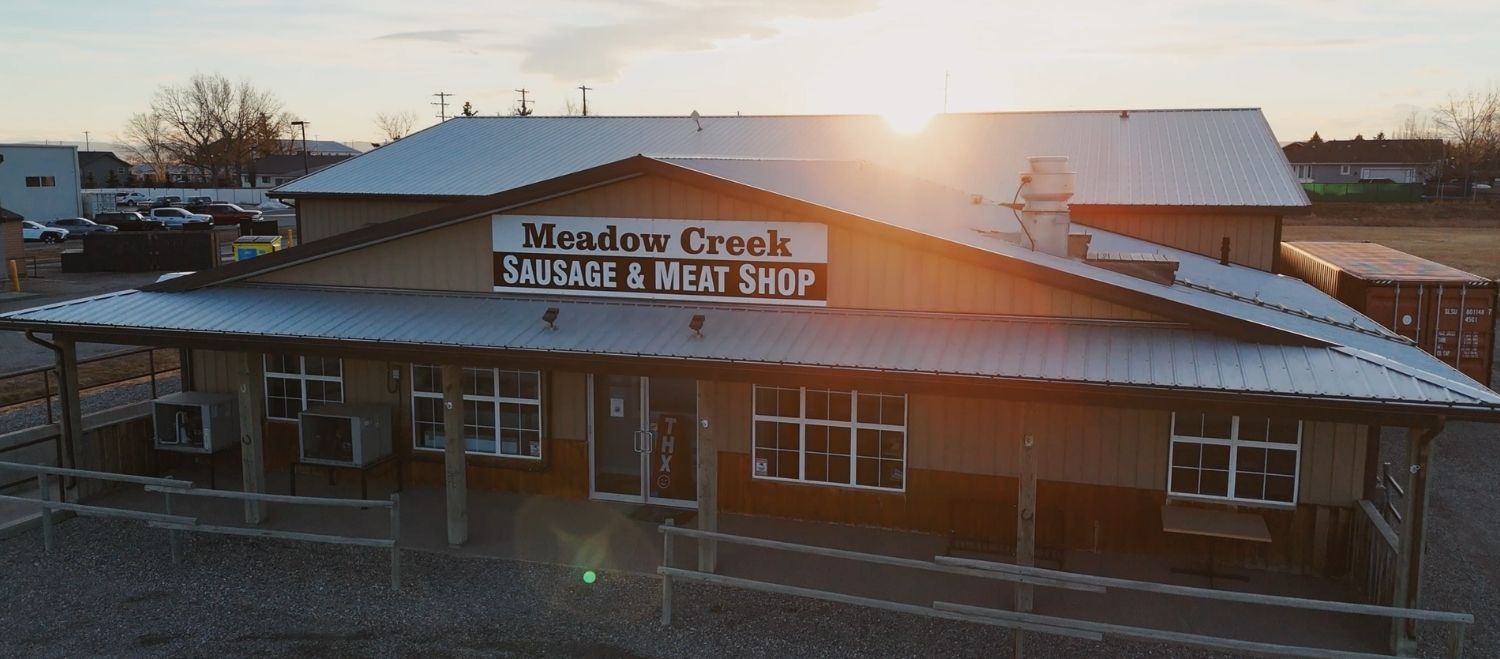
How Meadow Creek Modernized Operations with Meat Processing ERP Software
As meat processors grow, managing food safety, production, inventory, and traceability becomes increasingly complex. Meat processing ERP software helps connect these critical operational processes, ensuring receiving records, production batches, quality inspections, inventory transactions, shipping documentation, and food safety records remain accurate, connected, and readily accessible.
The challenge isn’t collecting information—it’s connecting it.
Whether preparing for an SQF audit, responding to a customer inquiry, or completing a mock recall, processors need immediate access to complete operational records. Paper files, spreadsheets, and disconnected software make that increasingly difficult as production expands.
For Meadow Creek Sausage & Meat Ltd., a federally inspected Alberta meat processor, continued growth made it clear that manual processes could no longer support the business. The company needed meat processing ERP software that could connect food safety, quality, production, inventory, and traceability into one integrated system. That search led them to The Icicle ERP Suite.
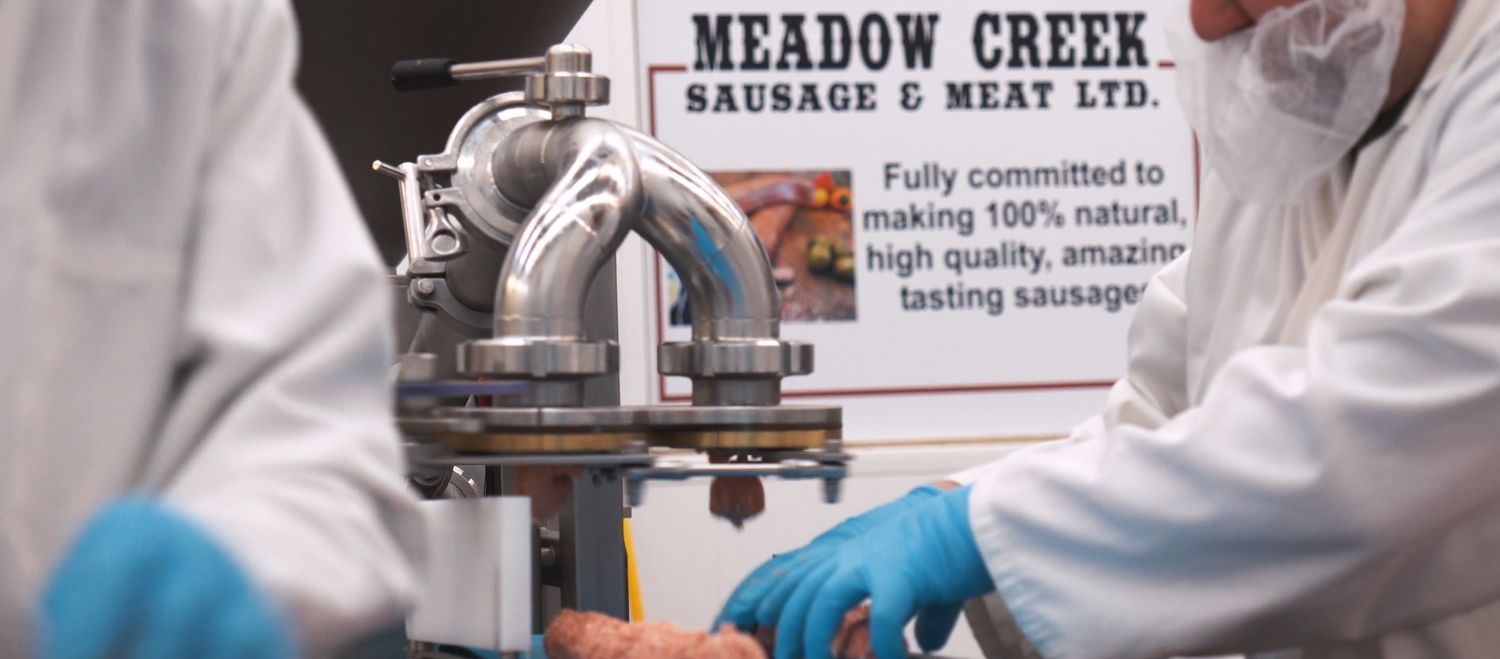
About Meadow Creek Sausage & Meat
Founded in 1988, Meadow Creek Sausage & Meat Ltd. produces premium sausages, smoked meats, deli products, and specialty meat products made with clean ingredients and traditional methods.for retail and foodservice customers throughout Western Canada.
As production volumes increased, so did the amount of paperwork required to support food safety, quality assurance, and regulatory compliance.
“We did everything with pen and paper,” recalls Chantal, Meadow Creek’s Food Safety Coordinator. “We wanted to get away from all the paper because there’s a ton of paper.”
Like many growing meat processors, Meadow Creek recognized that paper-based systems were consuming valuable time and making it more difficult to manage an increasingly complex operation.
The Challenge: When Paper Stops Scaling
For meat processors, food safety isn’t managed in one department.
Receiving affects production.
Production affects inventory.
Inventory affects shipping.
Every transaction contributes to the traceability chain that supports food safety, regulatory compliance, and customer confidence.
When those records are managed manually, even routine tasks become more time-consuming.
Teams spend valuable time entering the same information multiple times, searching for paperwork, and preparing documentation for audits or customer requests. Meadow Creek had reached that point.
“We realized we needed to invest in something that would save us a ton of time doing manual labour,” says Chantal.
The company wasn’t simply looking to replace paper with electronic forms. It wanted a connected system that could support the entire operation—from food safety and traceability to production and inventory management.
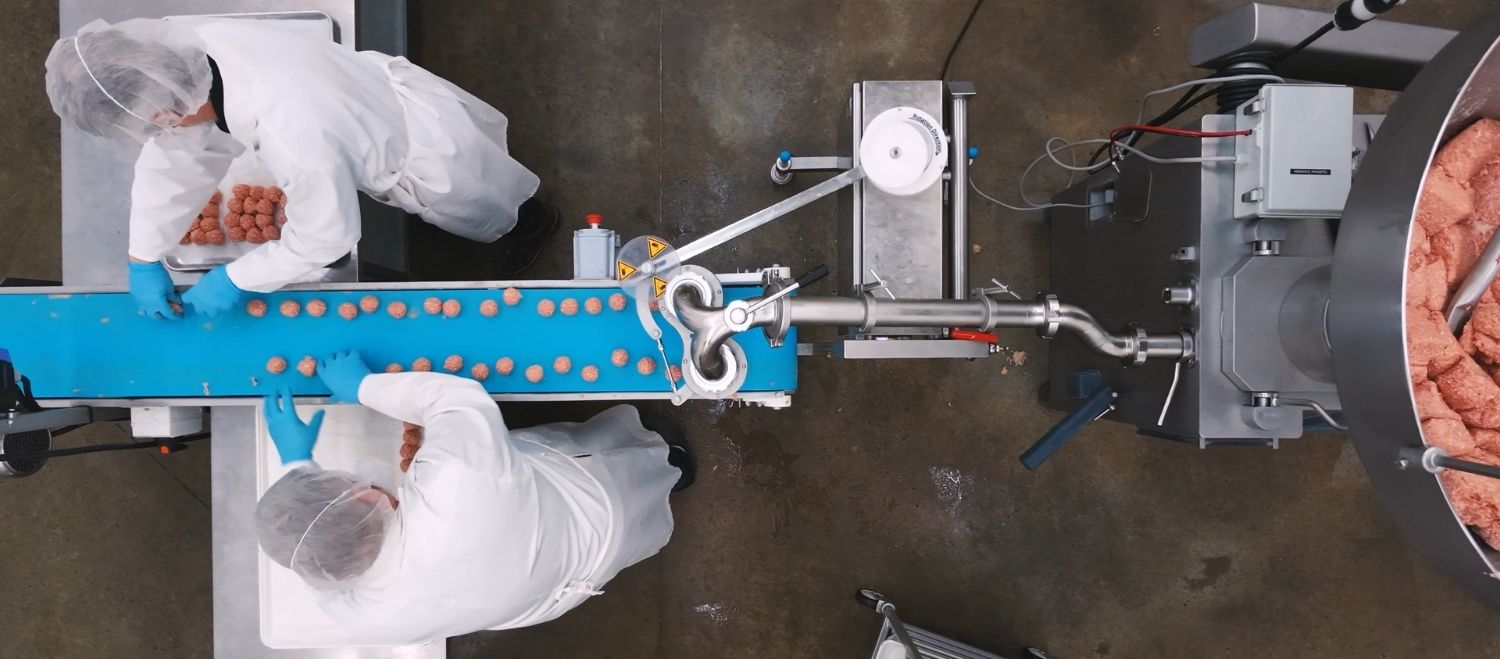
Why Meadow Creek Chose Icicle ERP
Choosing ERP software is a significant investment for any food manufacturer.
For Meadow Creek, the priority wasn’t finding a generic ERP with food features added later. The company wanted a platform purpose-built for food manufacturing and capable of supporting the operational and regulatory requirements unique to meat processing.
Complete traceability was one of the deciding factors.
Federally inspected meat processors must be able to quickly trace ingredients and finished products throughout the supply chain while maintaining accurate production and inventory records.
Icicle ERP connects receiving, production, inventory, quality management, and shipping into one system, creating complete lot-level traceability from raw materials through finished goods.
Just as importantly, the software integrated food safety into daily operations rather than treating it as a separate administrative function.
Instead of maintaining paper records across multiple departments, Meadow Creek could manage inspections, SOPs, corrective actions, production records, supplier documentation, training, and quality records from one centralized platform.
The implementation process also stood out.
“The onboarding process is remarkably easy,” says Chantal. “It was surprisingly simple to learn, and whenever we had questions, the Icicle team was there to help.”
That combination of food industry expertise, practical functionality, and responsive support gave Meadow Creek confidence they had selected software designed for the realities of meat processing—not a generic ERP adapted for food.
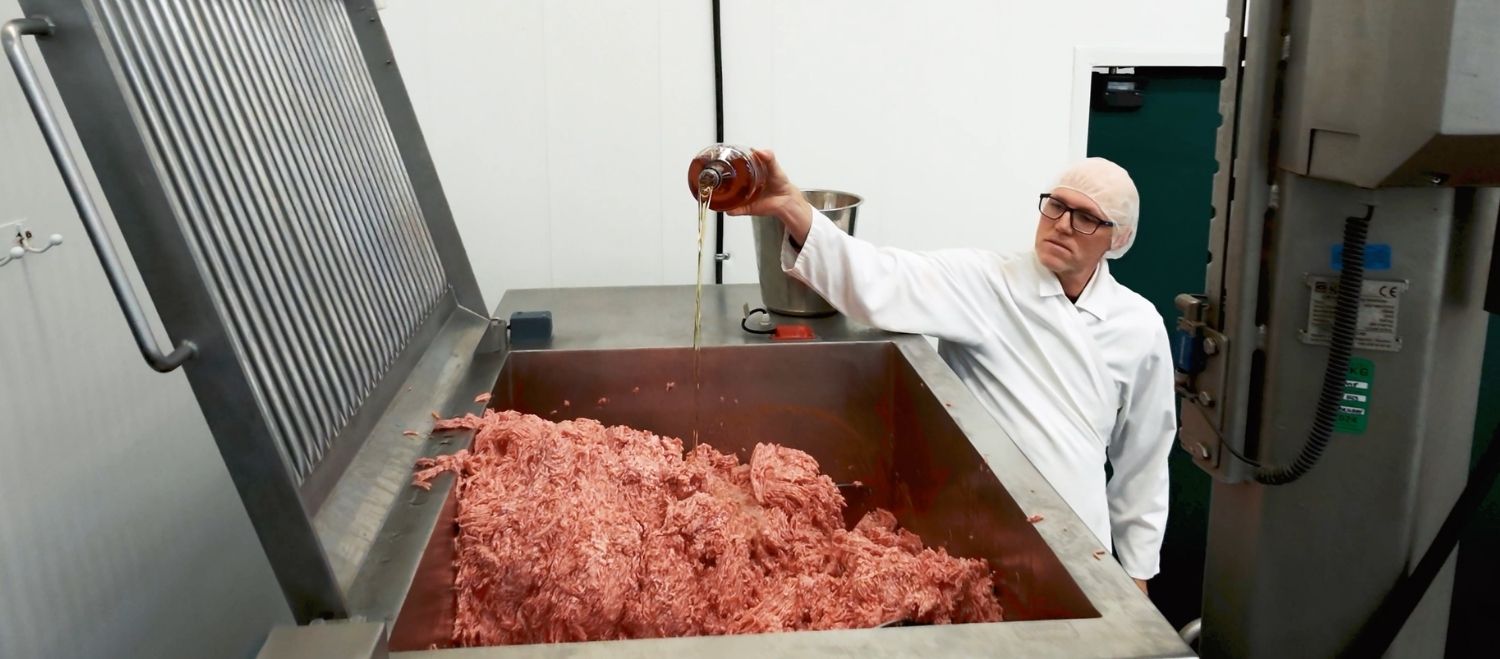
A Stronger Foundation for Growth
Like many meat processors, Meadow Creek’s goal extended beyond improving compliance.
The company wanted to build an operation that could continue growing without adding the same level of administrative effort.
By replacing paper-based processes with connected meat processing ERP software, Meadow Creek established a stronger foundation for managing food safety, production, quality, inventory, and traceability as the business evolves.
For food manufacturers, that’s where the real value of a food-specific ERP begins—not simply digitizing records, but creating operational visibility that supports better decisions every day.
How Icicle Transformed Daily Operations
Implementing Icicle ERP wasn’t about replacing paper with digital forms. It was about connecting the operational information Meadow Creek relies on every day.
Food safety, production, quality assurance, inventory, and traceability now work together in one integrated system, giving employees faster access to information while reducing manual administration.
“It’s given us peace of mind because we know our tasks are being completed, our recalls are doing well, and everything is where it should be,” says Chantal.
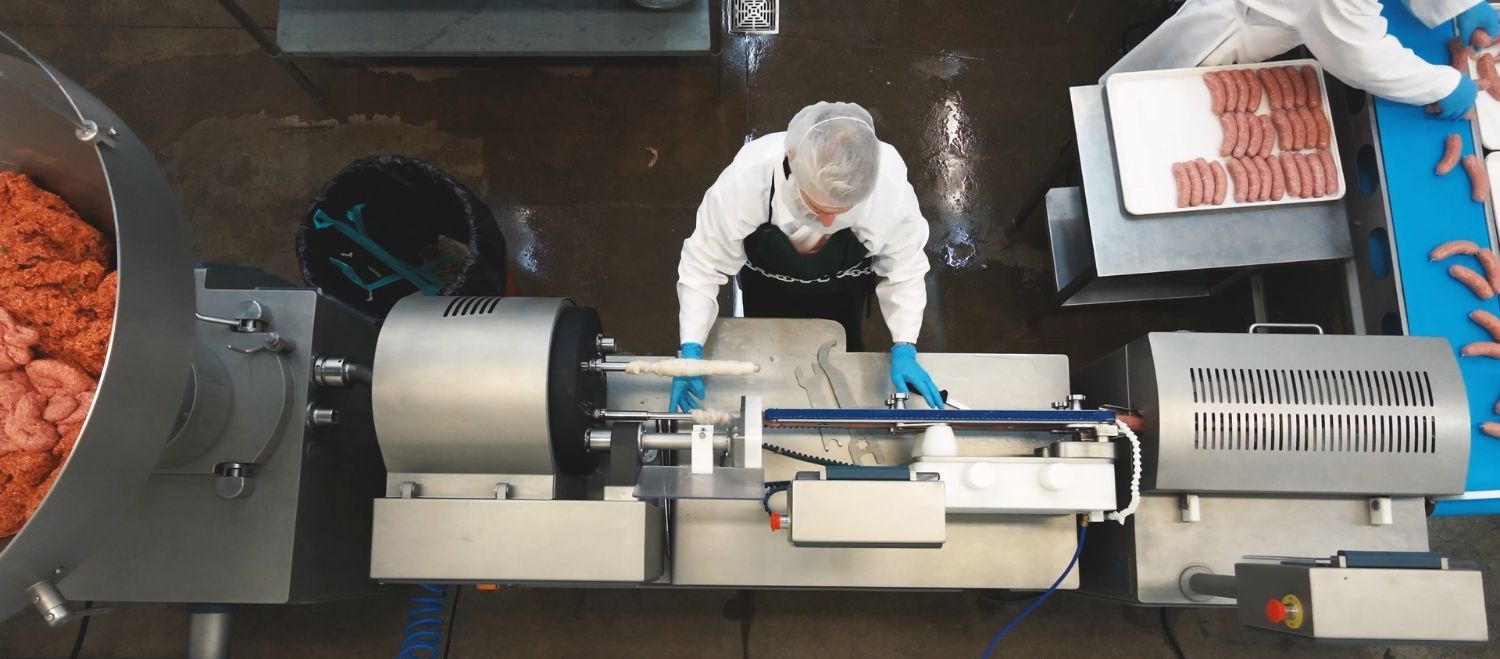
Simplifying Food Safety and Quality Management
For meat processors, food safety extends far beyond maintaining a HACCP plan.
Daily operations require sanitation records, pre-operational inspections, corrective actions, supplier documentation, employee training records, Certificates of Analysis (COAs), and quality inspections—all of which must be organized and readily available during audits or customer requests.
With Icicle ERP, Meadow Creek digitized these records into one centralized platform.
Instead of searching through binders or filing cabinets, the team can quickly retrieve documentation, helping reduce the stress of audit preparation while supporting day-to-day compliance.
“When you’re going through an audit and you can’t find a specific piece of documentation, it’s very stressful,” says Chantal. “Icicle takes that stress right out.”
Complete Traceability from Receiving to Shipping
For meat processors, traceability is more than recording lot numbers.
Every ingredient, production batch, inventory movement, and shipment must remain connected to create a complete product history. During a mock recall or customer inquiry, that information needs to be available immediately.
Before implementing Icicle, assembling those records required significantly more manual effort. Today, complete traceability is available within seconds.
“If you do a recall, it’s literally the press of a button,” Chantal explains. “In two seconds you are done your whole recall.”
That improvement not only saves time but also gives Meadow Creek greater confidence in its ability to respond quickly to customer, retailer, and regulatory requests.
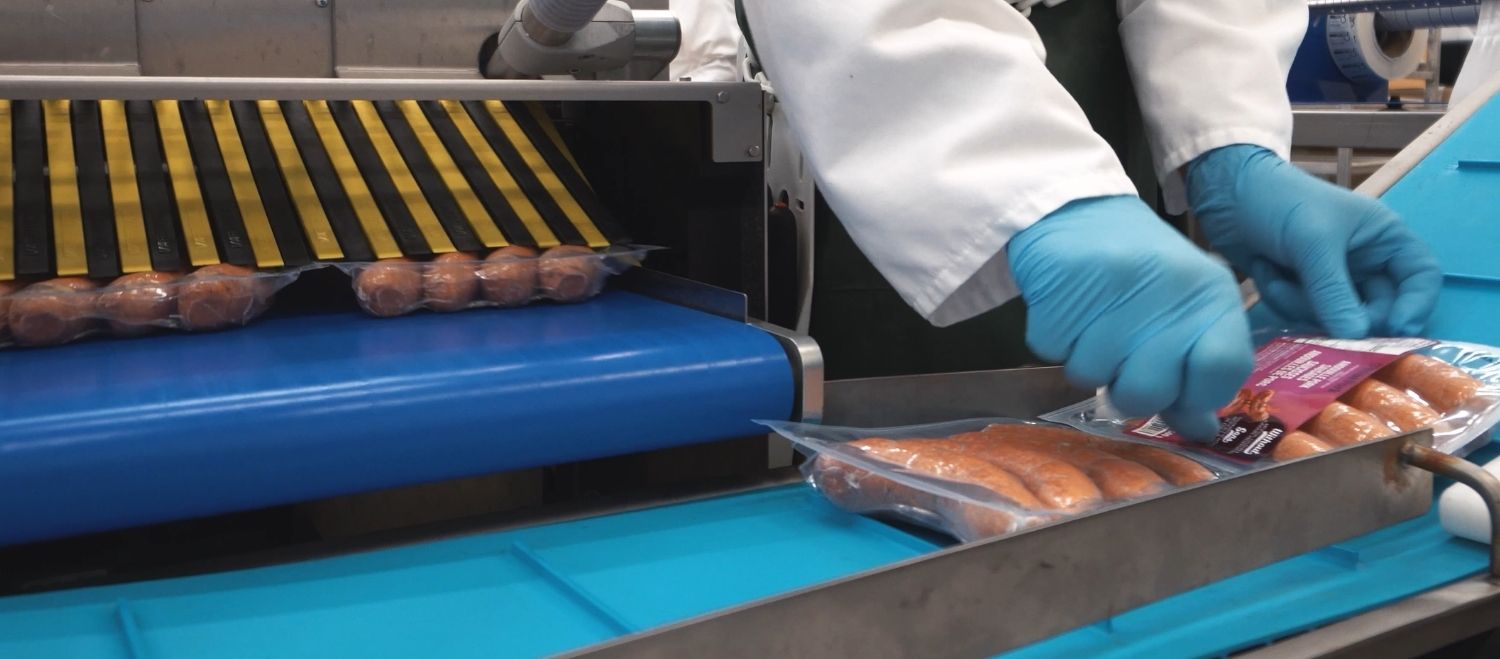
Improving Daily Accountability
One of the biggest operational improvements wasn’t a single feature—it was visibility.
Icicle ERP allows managers to assign recurring food safety and operational tasks while giving employees a clear view of their responsibilities.
Instead of relying on paper checklists or verbal reminders, the team can easily see what has been completed, what remains outstanding, and where follow-up is required.
“It takes all that guesswork out,” says Chantal.
That visibility helps ensure routine activities—such as inspections, sanitation checks, equipment verification, and quality tasks—are completed consistently and documented properly.
Faster Access to Information Across the Business
Information becomes valuable only when it’s easy to find.
By centralizing production, quality, food safety, supplier, and traceability records, Meadow Creek reduced the time employees spend searching for documentation and increased confidence that everyone is working from the same information.
Whether preparing for an audit, investigating a quality concern, or responding to a customer request, the team can quickly access the records they need without interrupting day-to-day operations.
For a growing meat processor, that operational visibility supports better communication, stronger compliance, and more efficient decision-making across the business.
Built for the Way Meat Processors Work
Many ERP systems require food manufacturers to adapt their processes to generic manufacturing software.
Icicle was designed specifically for food and beverage manufacturers.
That means production, inventory, food safety, quality management, supplier records, and traceability are designed to work together—not as separate applications, but as one connected operational platform.
For Meadow Creek, this has created a more efficient way to manage everyday operations while establishing a scalable foundation for future growth.
As Chantal summarizes, “Icicle has become part of how we run our business. We know the information is there when we need it, and that gives everyone greater confidence in what we’re doing.”
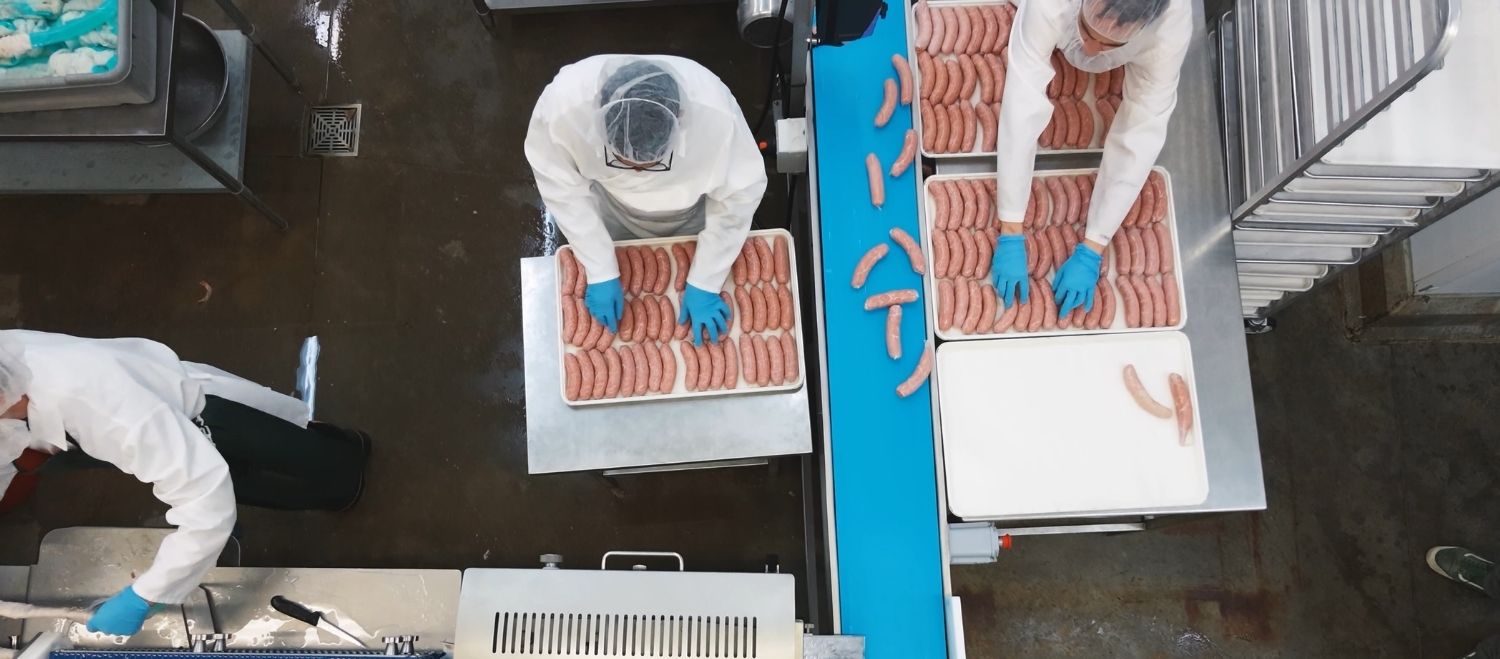
Results: A More Connected Meat Processing Operation
Today, Meadow Creek operates with greater visibility across food safety, quality, production, inventory, and traceability.
Instead of relying on paper records and disconnected processes, operational information is centralized in one platform, making it easier to complete daily tasks, prepare for audits, respond to customer requests, and perform recall exercises.
“Icicle has given us peace of mind because we know our tasks are being completed, our recalls are doing well, and everything is where it should be,” says Chantal.
For Meadow Creek, the investment wasn’t simply about replacing paper—it was about building a more efficient, scalable operation.
What Other Meat Processors Can Learn
Meadow Creek’s experience reflects a challenge facing many meat processors today.
Production is becoming more complex. Customer documentation requirements continue to increase. Retailers expect greater traceability. Food safety standards continue to evolve. At the same time, companies are expected to respond quickly to audits, customer inquiries, and mock recalls without disrupting production.
Many processors already have the information they need. The challenge is that it’s often spread across paper records, spreadsheets, and disconnected software.
A food-specific meat processing ERP connects food safety, production, inventory, quality management, warehouse operations, and traceability into one operational workflow. Instead of searching for records, teams can focus on running the business.
The result is more than stronger compliance—it is greater operational visibility, improved efficiency, and better decision-making across the organization.

Why Connected Operations Matter
Food safety doesn’t happen in isolation.
Neither does traceability.
Every receiving transaction, production batch, quality inspection, inventory movement, and shipment contributes to the complete operational picture.
When those records are connected, meat processors gain benefits that extend well beyond compliance, including:
- Faster mock recalls and customer response times
- Stronger audit readiness for SQF and regulatory inspections
- Improved inventory accuracy and lot traceability
- Better visibility across production and quality operations
- Less manual paperwork and duplicate data entry
- Greater confidence in operational decision-making
That’s the difference between digitizing paperwork and modernizing operations.
Ready to Modernize Your Meat Processing Operation?
If your team still relies on spreadsheets, paper records, or disconnected systems to manage food safety, production, inventory, and traceability, you’re not alone. Many growing meat processors reach a point where manual processes begin slowing the business instead of supporting it.
Icicle ERP was built specifically for food and beverage manufacturers, helping organizations connect production, quality, food safety, inventory, supplier management, warehouse operations, and traceability in one integrated platform.
Whether your goal is to improve audit readiness, strengthen traceability, simplify food safety management, or prepare for future growth, Icicle provides the visibility needed to make faster, more informed operational decisions.
Request a personalized demo to see how Icicle ERP helps meat processors simplify compliance, strengthen traceability, and operate with greater confidence.
Frequently Asked Questions About Meat Processing ERP Software
What is meat processing ERP software?
Meat processing ERP software is designed specifically for food manufacturers. It connects production, inventory, food safety, quality management, purchasing, warehouse operations, traceability, and financial processes into one integrated system.
Why is traceability important for meat processors?
Complete traceability allows processors to identify where ingredients were received, how they were used in production, and where finished products were shipped. This supports food safety, customer requirements, regulatory compliance, and faster recall execution.
How does ERP software improve audit readiness?
A food-specific ERP centralizes food safety documentation, inspections, corrective actions, production records, supplier documentation, employee training, and traceability records, making information easier to retrieve during SQF, CFIA, customer, or third-party audits.
Can meat processing ERP software help with mock recalls?
Yes. Connected traceability enables processors to quickly trace products forward and backward through the supply chain, significantly reducing the time required to complete mock recalls and investigate food safety issues.
Why do meat processors choose Icicle ERP?
Unlike general-purpose ERP systems, Icicle ERP was developed specifically for food and beverage manufacturers. It integrates food safety, production, inventory, quality management, supplier management, maintenance, warehouse operations, and traceability into one platform, helping processors improve operational efficiency while strengthening compliance.