Integrated Production Management for Food & Beverage Manufacturing: How Connected Operations Drive Efficiency and Growth
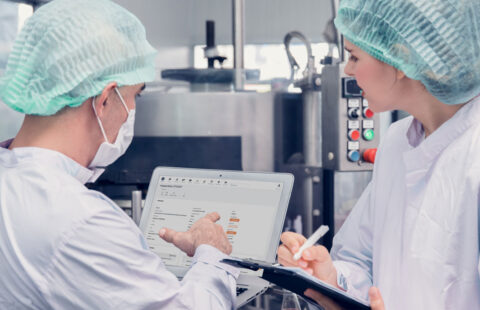
Food and beverage manufacturers face a difficult balancing act every day. Production teams must maximize output, control costs, maintain quality standards, manage inventory, and respond quickly to changing customer demand. Yet many companies are still trying to accomplish these goals using disconnected systems, spreadsheets, and manual processes. In this Production Management Webinar, Steven Burton, Founder and CEO of Icicle Technologies, demonstrated how integrated production management helps food manufacturers bring these moving parts together into a single, connected system. The session explored how better visibility across production, inventory, quality, maintenance, and reporting can help manufacturers reduce waste, improve efficiency, and make more informed decisions.
Why Production Management Needs a Connected Approach
Many manufacturers treat production management as scheduling work orders and tracking output. In reality, it touches nearly every part of a food manufacturing operation.
Before starting a production run, manufacturers must ensure they have the ingredients, equipment, employees, and quality requirements needed to operate successfully. Spreading this information across multiple systems makes delays and mistakes much more likely.
During the webinar, Burton explained how Icicle evolved from a food safety platform into a complete food manufacturing ERP system as customers looked for ways to connect more of their operations.
“The ROI comes back generally in the first year,” Burton noted while discussing the value of bringing production and operational data together.
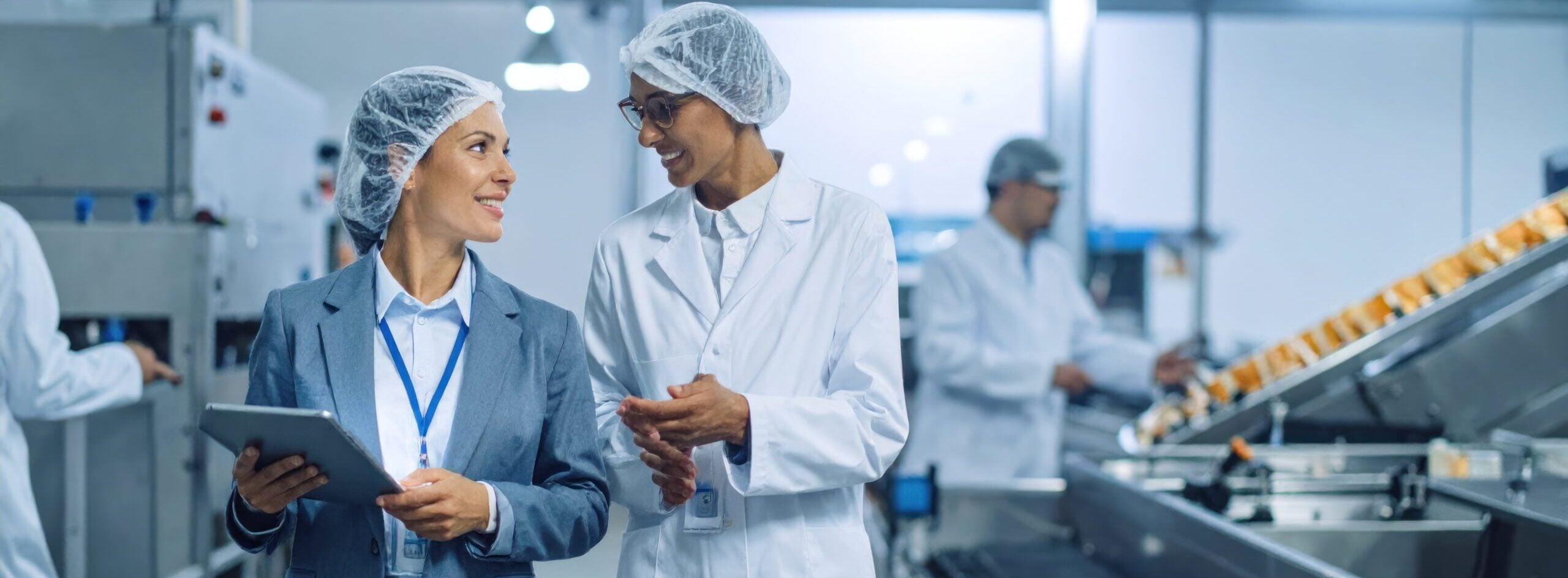
By integrating production management with inventory, quality control, traceability, maintenance, procurement, and forecasting, manufacturers gain a more complete picture of what is happening across their business.
Better Planning Leads to Better Production
One of the key themes throughout the demonstration was visibility.
Effective production planning involves more than knowing what needs to be produced. Manufacturers also need visibility into inventory levels, production capacity, labor availability, and future demand.
Icicle’s production management tools help manufacturers coordinate these variables in a single environment. Production management schedules use available resources, while forecasting tools help teams anticipate future production requirements based on inventory levels, customer demand, and operational targets.
For food manufacturers, this visibility is especially important because inventory has a shelf life. Producing too much can increase waste, while producing too little can lead to shortages and missed sales opportunities.
When planning, inventory, and production operate together, manufacturers can make decisions based on real-time information rather than assumptions.
Managing Production in Real Time
The webinar included a live demonstration of how the system manages production runs.
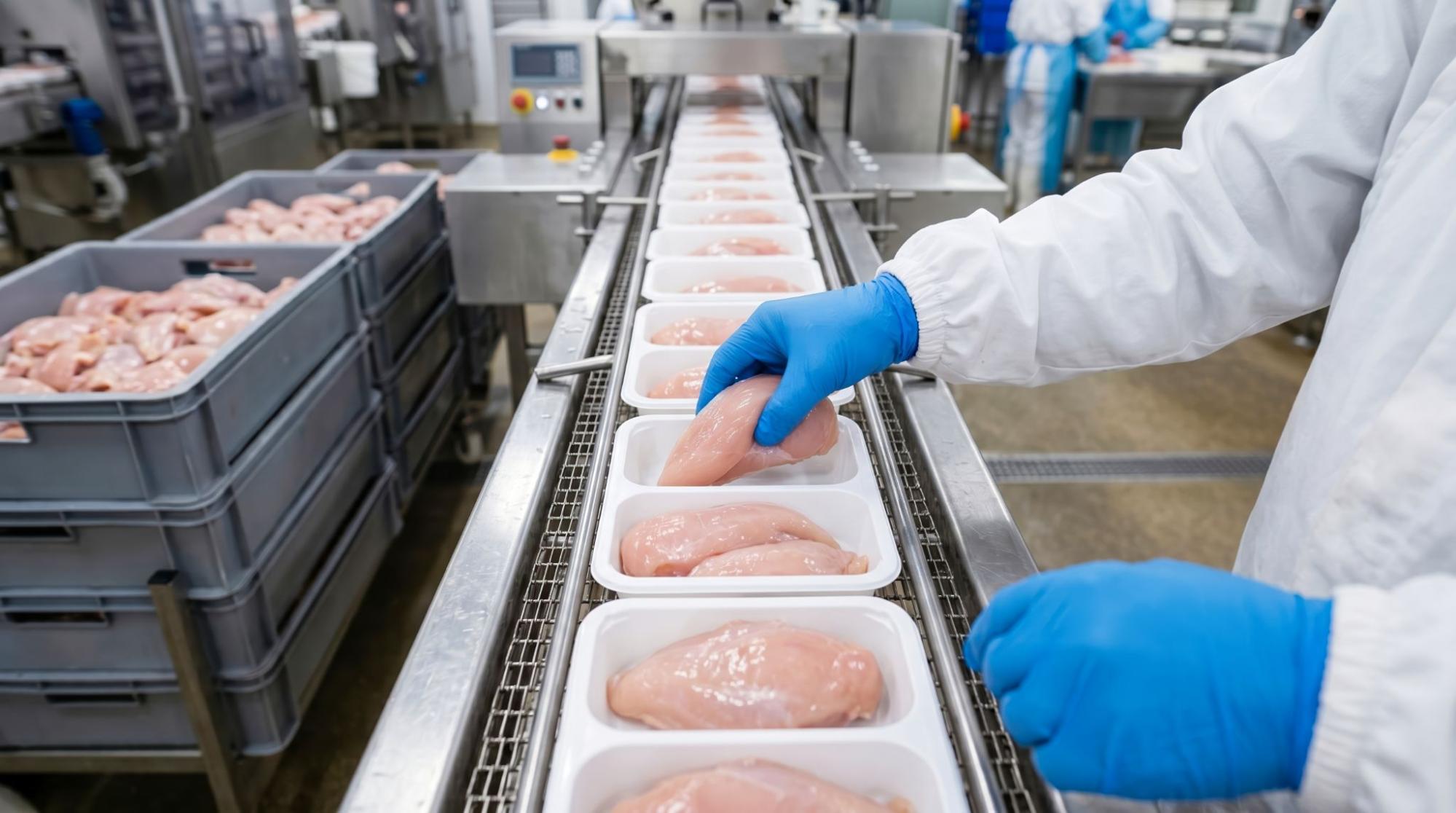
Production records can include formulas, work instructions, raw material requirements, lot tracking, barcode generation, quality checks, and inventory transactions. Rather than documenting activities after production is complete, teams capture information as work happens.
This creates real-time visibility into production activity and inventory movement while maintaining traceability throughout the manufacturing process.
The system also supports both simple and complex manufacturing environments. Whether a company is producing a straightforward finished product or managing multi-stage processes with intermediate ingredients and work-in-progress inventory, production records remain connected to the broader operational picture.
As products move through production, manufacturers can generate barcode labels and maintain accurate records without relying on manual data entry. This not only saves time but also helps reduce the risk of human error.
Quality Control as Part of Production
Quality management was another major focus of the production management webinar.
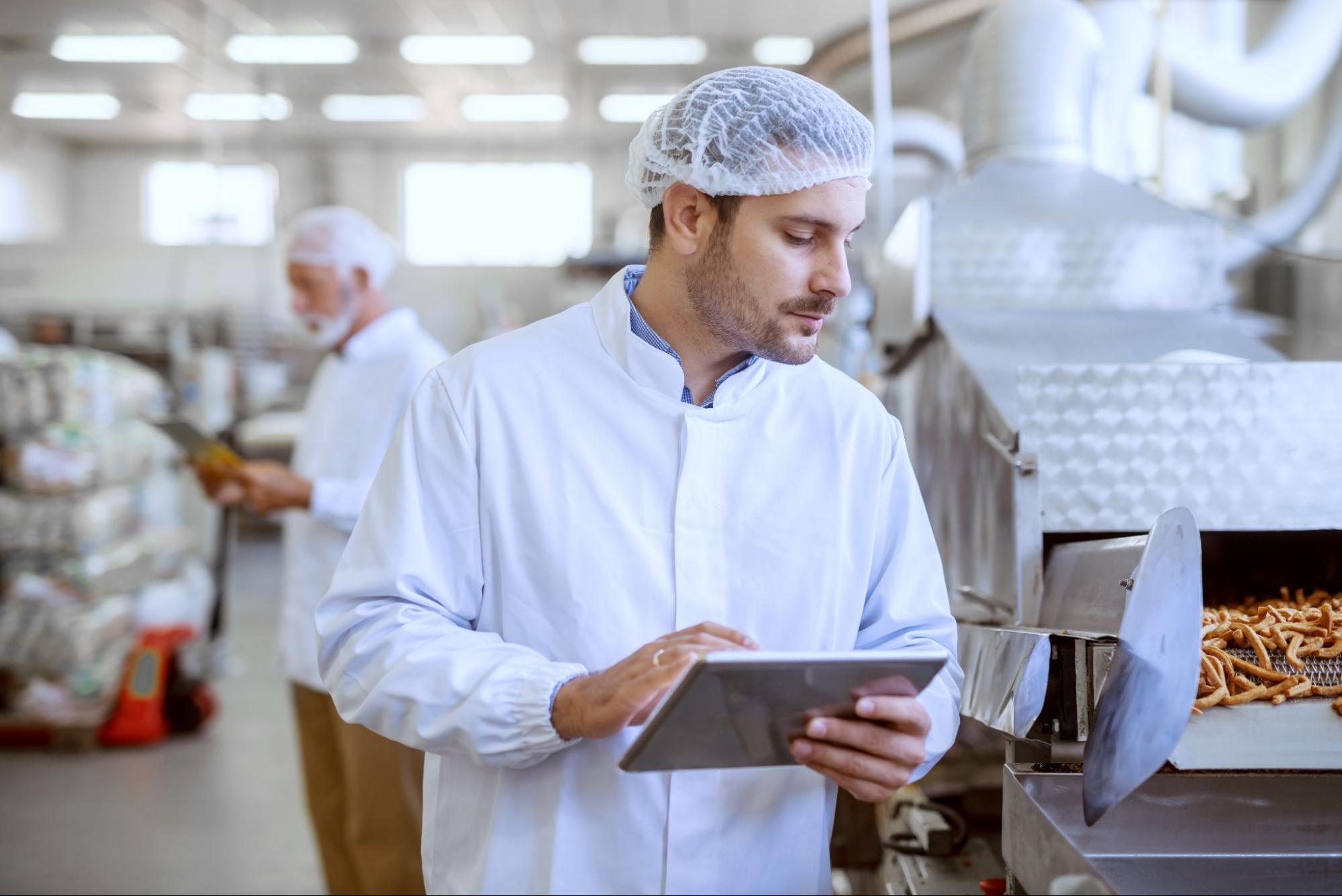
Too often, quality checks are treated as a separate process that occurs after production is complete. Burton demonstrated how quality control can be integrated directly into production workflows, allowing operators to identify issues before they become larger problems.
Specifications, operational limits, testing requirements, and quality checks can all be incorporated into production runs. This creates opportunities to correct issues early while ensuring that production teams remain aligned with quality expectations.
The platform also supports quality documentation such as Certificates of Analysis and maintains a complete record of inspections, testing activities, and production results.
This approach not only strengthens compliance efforts but also helps manufacturers build quality into the process rather than relying on inspections alone to catch issues.
Turning Production Management Data Into Business Results
The most compelling part of the webinar focused on reporting and performance analytics.
Burton described reporting as “the pot of gold at the end of the rainbow” because it gives manufacturers the information they need to continuously improve operations.
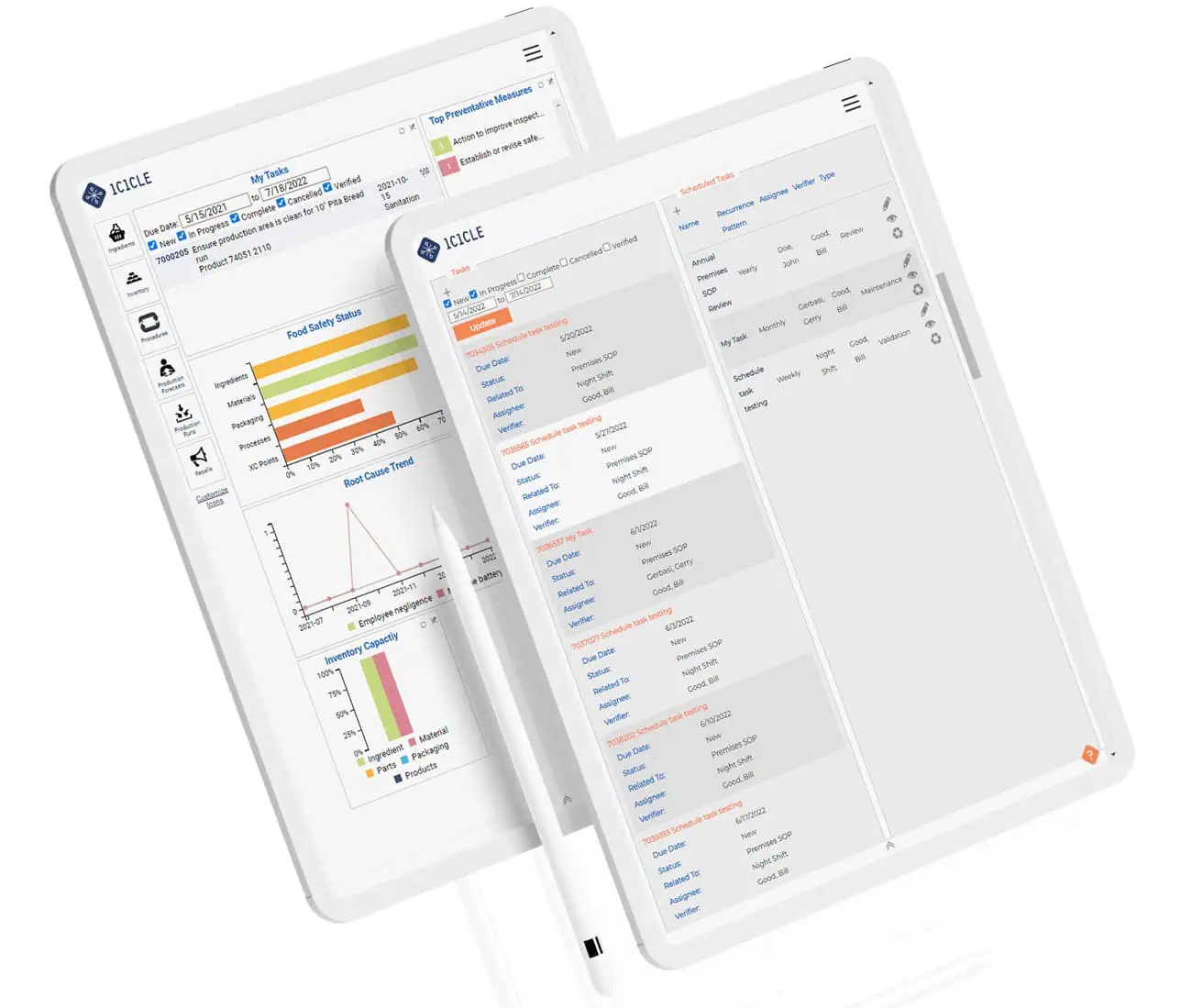
Production management dashboards can track key metrics such as planned versus actual production, production success rates, material consumption, and production costs. Managers can drill into labor, ingredients, packaging, and material costs to better understand where resources are being used.
This visibility becomes especially valuable when identifying inefficiencies that might otherwise go unnoticed.
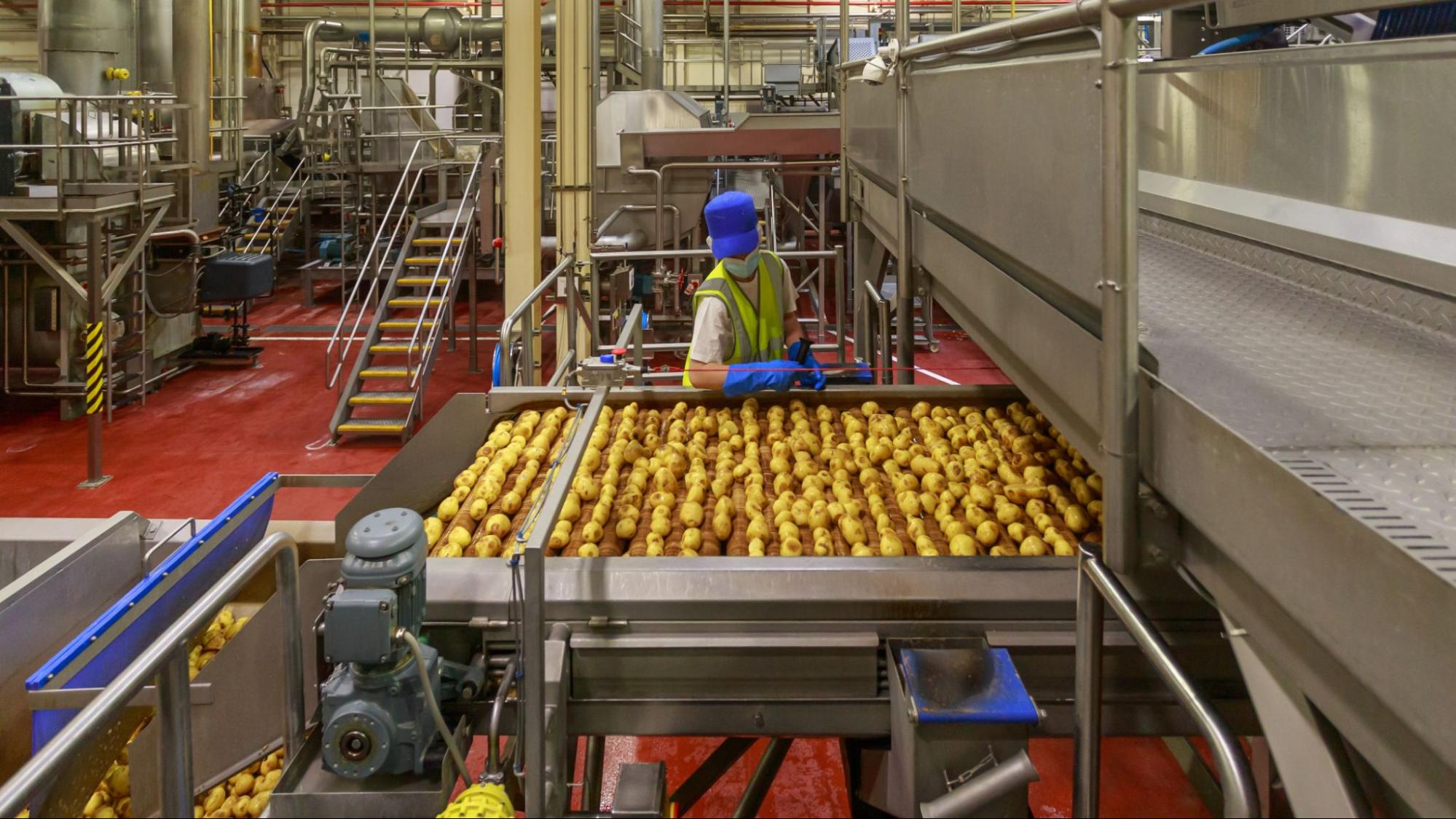
During the production management webinar, Burton shared a customer example involving packaging waste. Production reports revealed an issue that was causing excessive material consumption. After investigating the data, the company discovered a machine problem that had been quietly affecting operations.
“One of our customers was noticing during production that they were off on packaging,” Burton explained. After correcting the issue, the company achieved approximately $1.4 million in annual savings.
Stories like this demonstrate why production management is about much more than tracking output. The real value comes from understanding what the data is telling you and using that information to make improvements.
Building a Foundation for Growth
As food manufacturers continue to face rising costs, labor challenges, and increasing operational complexity, disconnected systems become more difficult to manage.
The webinar demonstrated how integrated production management creates stronger connections between departments while providing greater visibility into daily operations. When production, inventory, quality, maintenance, and reporting work together, teams can spend less time searching for information and more time improving performance.
For manufacturers looking to reduce waste, improve efficiency, strengthen quality programs, and support future growth, connected production management offers a practical path forward.
Modern food manufacturing requires more than isolated software tools. It requires a unified system that helps every part of the operation work together.
Watch the Production Management Webinar Replay
This article highlights only a portion of the topics covered during the live demonstration. The full webinar includes a detailed walkthrough of production planning and scheduling, production run management, inventory optimization, quality control integration, forecasting, workflow automation, operational dashboards, and real-world examples of how food manufacturers are improving efficiency with a unified production management system.
If you’re looking to reduce production bottlenecks, improve visibility across your operations, streamline quality and compliance processes, or better connect production, inventory, and planning activities, the webinar provides a practical look at how integrated production management can support growth and operational excellence in modern food manufacturing.
Request access to the webinar replay here.
Frequently Asked Questions
What is production management in food manufacturing?
Production management is the process of planning, scheduling, executing, and monitoring manufacturing activities. It includes managing labor, equipment, inventory, quality control, and production performance to ensure products are produced efficiently and consistently.
Why is integrated production management important?
Integrated production management connects production with inventory, quality, maintenance, procurement, and reporting. This improves visibility, reduces manual work, and helps manufacturers make faster, more informed decisions.
How can production management software reduce waste?
Production management software helps identify material variances, production inefficiencies, equipment issues, and inventory problems through real-time reporting and analytics. This allows manufacturers to address issues before they become costly.
How does production management improve food manufacturing profitability?
By improving scheduling, reducing waste, optimizing inventory, supporting quality control, and providing better operational visibility, production management systems help manufacturers lower costs and improve overall efficiency.
What should food manufacturers look for in production management software?
Food manufacturers should look for software that integrates production planning, inventory management, quality control, traceability, maintenance, reporting, and forecasting within a single platform designed specifically for food and beverage operations.